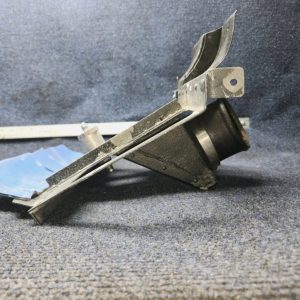
P/N 2455038-2 should be selected only after confirming aircraft serial applicability, engine configuration, mounting geometry, material condition, and included hardware.
Accurate use of Cessna 172RG Rear Right-Hand Baffle, Cessna 172RG Engine Baffle, and Cessna 172RG Cooling Baffle terminology improves SEO without overstating fitment.
A Cessna Cutlass Engine Baffle may form part of a broader Cessna 172RG Baffle Assembly, while the Rear RH Engine Baffle must match the exact side, shape, and attachment arrangement.
Whether buyers require a Cessna Engine Cooling Baffle, Aircraft Cooling Air Baffle, or Cessna 172RG Airflow Baffle, surrounding seals and attachment points should also be inspected.
A Cessna Aircraft Engine Baffle can form part of an Engine Cooling Baffle Assembly, while a Cessna Cutlass Cooling System Part must correspond with the installed aircraft and engine configuration.
Why Exact Baffle Part Numbers Matter
Complete part-number verification reduces incorrect purchasing and unnecessary installation work.
Any alternate number, superseded number, drawing reference, repair marking, or donor-aircraft serial number should remain connected with the component.
Function of the Rear Right-Hand Baffle
The rear right-hand baffle helps guide cooling air through intended paths around the engine installation rather than allowing it to escape through uncontrolled gaps.
Engine condition, instrumentation, seals, cowling, operations, and surrounding baffles should be considered during troubleshooting.
Aircraft Model and Serial Applicability
A rear right-hand baffle should not be advertised as suitable for every Cessna 172 model merely because the aircraft share a related airframe family.
The engine model and installed accessories can influence clearances, brackets, hoses, wiring routes, and the shape of surrounding cooling components.
Maintaining Original Baffle Geometry
Formed contours help the baffle fit around the engine and connect with surrounding cooling-system components.
Previous forming or repair work should be disclosed and inspected carefully.
Aircraft Cooling Component Inspection
Areas near fasteners and vibration-prone attachment points deserve particular attention.
Previous patches, stop-drilled cracks, replacement brackets, welds, or enlarged holes should be documented.
Inspecting Engine Baffle Seals
Flexible seals help close gaps between metal baffles and surrounding cowling surfaces so cooling air follows the intended route.
Careful seal fitting supports more consistent cooling-air control.
Evaluating Corrosion on Cessna Baffles
The depth and area of corrosion should be evaluated using suitable maintenance procedures.
Storage components should remain dry, clean, supported, and protected from unsuitable wrapping that traps moisture.
Inspecting Rear Baffle Attachment Points
Fastener holes should be checked for elongation, cracking, burrs, corrosion, double drilling, fretting, and evidence of repeated removal.
Correct attachment practices support secure and maintainable baffle installation.
Managing Engine Baffle Parts Inventory
Organized inventory management supports a more efficient Cessna Cutlass maintenance project.
Parts should be labeled and segregated according to condition and inspection status.
Inspecting the Complete Cooling System
Complete troubleshooting helps prevent unnecessary replacement and repeated maintenance.
The condition of cylinder fins, oil cooler airflow, hoses, ignition timing, induction, exhaust, and other engine systems may also influence operating temperatures.
Sheet-Metal Cooling Component Restoration
A documented repair plan supports a more consistent result.
Patches or replacement brackets should not create interference with the engine, cowling, controls, wiring, hoses, or exhaust system.
Buying P/N 2455038-2
The commercial value of P/N 2455038-2 depends on verified identity, aircraft applicability, condition, completeness, repair history, seals, brackets, traceability, and included hardware.
Dimensions and detailed photographs should be supplied before shipping arrangements are finalized.
Aircraft Engine Baffle Pre-Purchase Guide
The seller should provide photographs showing both sides, flanges, holes, brackets, contours, edges, markings, corrosion areas, seals, and repairs.
- Compare the baffle with applicable parts information, the removed component, surrounding panels, mounting locations, dimensions, brackets, seals, and cowling clearances.
- Inspect the baffle for cracks, corrosion, pitting, dents, buckling, distortion, elongated holes, fretting, broken brackets, damaged flanges, and previous repairs.
- Report freight damage, missing pieces, dimensional differences, undisclosed repairs, corrosion, or identification discrepancies promptly.
Shipping and Storing the Rear RH Baffle
Padding should prevent check here direct contact with hard surfaces without trapping damaging moisture.
Heavy objects should never be stacked on the baffle.
Cessna Cutlass Cooling System Installation
The engine compartment should be inspected before the replacement component is positioned permanently.
Adjacent baffles, seals, brackets, cowling surfaces, wiring, hoses, controls, and exhaust components should remain free from unresolved damage or interference.
Ground-operation observations should be completed through suitable procedures without promising a specific temperature improvement.
Protecting Aircraft Cooling Components
Long-term maintenance includes periodic inspection of the baffle, seals, fasteners, brackets, adjacent panels, cowling contact areas, protective finishes, and corrosion-prone locations.
Recurring cracks or loose attachments should prompt investigation of vibration, alignment, and supporting hardware.
Buying a Rear Right-Hand Engine Baffle
The Cessna 172RG Rear RH Baffle Assembly
Buyers should request current photographs, accurate measurements, transparent condition information, protective shipping, secure transaction terms, and qualified maintenance review.
Whether the project involves Cessna 172RG Engine Compartment Parts, an Aircraft Cooling Air Baffle, a Cessna 172RG Airflow Baffle, or a Cessna Aircraft Engine Baffle, every component should be inspected individually.
With responsible purchasing, part-number research, careful handling, alignment checks, and appropriate workmanship, the assembly can remain a valuable engine-compartment asset.